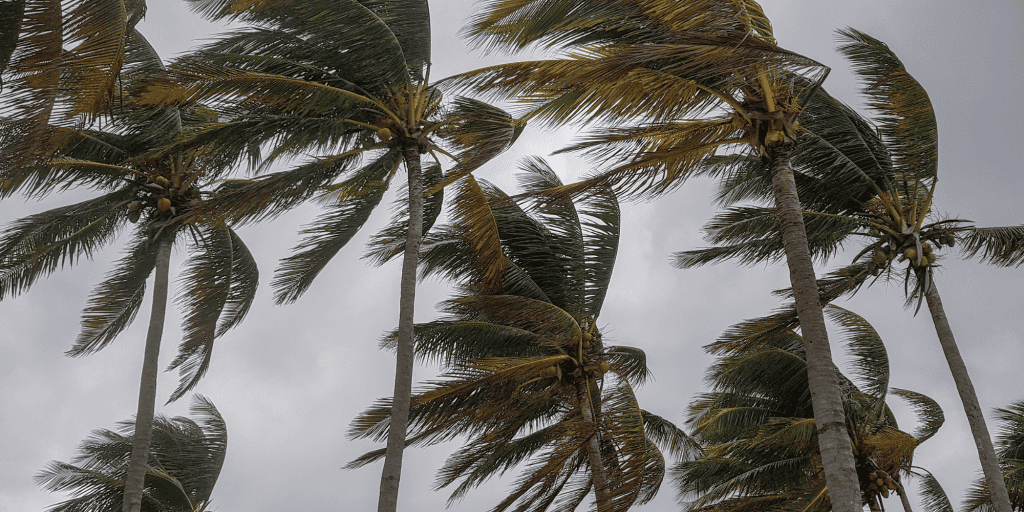
When disaster strikes, Tampa Bay nonprofits have learned from experience that preparation is key to staying open in times of crisis and rising stronger after every storm. To ensure nonprofits have the capacity to continue operations in times of disaster, organizations should take these three essential steps.
Step #1: Build the capacity to continue operations
Nonprofits are on the frontlines of every hurricane, flood or health emergency. But the ability to serve our communities begins with ensuring our organizations can remain functional. Resilience starts with preparation, and the first step is shoring up your organizational capacity.
Here are four essentials to build organizational capacity:
1. Develop (or update) your business continuity plan.
Ensure your nonprofit has a documented plan outlining who does what, when and how in times of emergency or disaster. Business continuity plans should address everything from technology access and communications to payroll and program delivery.
2. Protect your tech.
Ensure your work can continue, even when the physical office is inaccessible, with cloud-based systems, data backups and remote access protocols.
3. Cross-train your staff.
Disasters don’t wait for ideal staffing conditions. Train staff to cover essential duties that may not be in their day-to-day responsibilities and empower team members to lead in uncertainty.
4. Create a financial cushion.
Maintain sufficient cash reserves and clearly define your financial policies to ensure operational continuity and emergency resource deployment.
Step #2: Foster partnerships that prioritize those most affected
Disaster recovery is not a solo effort. It takes a network — a coalition of trusted partners — to ensure that the people most affected receive the support they need quickly and compassionately.
Nonprofits must ask themselves: Who do we need to call in the first 48 hours of a crisis? If those relationships aren’t already in place, now is the time to build them.
In Tampa Bay, we’ve seen firsthand the power of partnerships.
Here are three essentials for strategic partnerships:
1. Formalized MOUs
Formalized MOUs between nonprofits, government agencies, and funders expedite coordination.
2. Shared intake systems and referral networks
This reduces duplication and streamlines support for individuals and families.
3. Prepositioned supply and resource hubs
Established in collaboration with other organizations, supply and resource hubs enable faster deployment of essentials, like food, hygiene items and transportation.
As a convener and collaborator, the Nonprofit Leadership Center continues to champion relationship building across sectors so that no single organization bears the burden alone and no community member is left behind.
Step #3: Secure the resources to respond and recover
No disaster plan is complete without a strategy for securing and stewarding resources. Funding and volunteers often surge during a crisis, but nonprofits must be ready to mobilize them effectively and ethically.
Here are three essentials for resource readiness:
1. Preapproved emergency funding mechanisms
Have flexible use funds, rapid response grants, and donor engagement strategies already designed for swift activation.
2. Volunteer infrastructure
Do you have a system in place to train, deploy and manage spontaneous volunteers? Preparedness ensures that offers of help can translate into meaningful action.
3. Transparent communications
Proactively communicating your needs, impact and accountability builds trust with funders and donors in high stakes moments.
In Tampa Bay, we’ve seen funders, businesses and volunteers step up time and again, from pandemic food relief to post-storm recovery. The key to harnessing that goodwill is preparation, clarity and shared vision. Storm fatigue is real. We all must remain alert and proactive in keeping our relationships strong and responsive.
A Call to Collective Preparedness
The storms, both literal and metaphorical, will keep coming. But so will the strength, ingenuity and heart of our nonprofit sector. At the Nonprofit Leadership Center, we believe that disaster readiness isn’t a checklist, it’s a culture. It’s a commitment to each other and to the communities we serve.
Together, we weather storms. Together, we rebuild. And together, we ensure that Tampa Bay not only survives the next challenge but thrives because of our shared resilience.
Find more hurricane and disaster preparedness resources here.